
In Scrum, we have three artifacts helping us keep transparency high, which is the first pillar of empiricism.
In fact, we can say that we have a value stream pipeline.
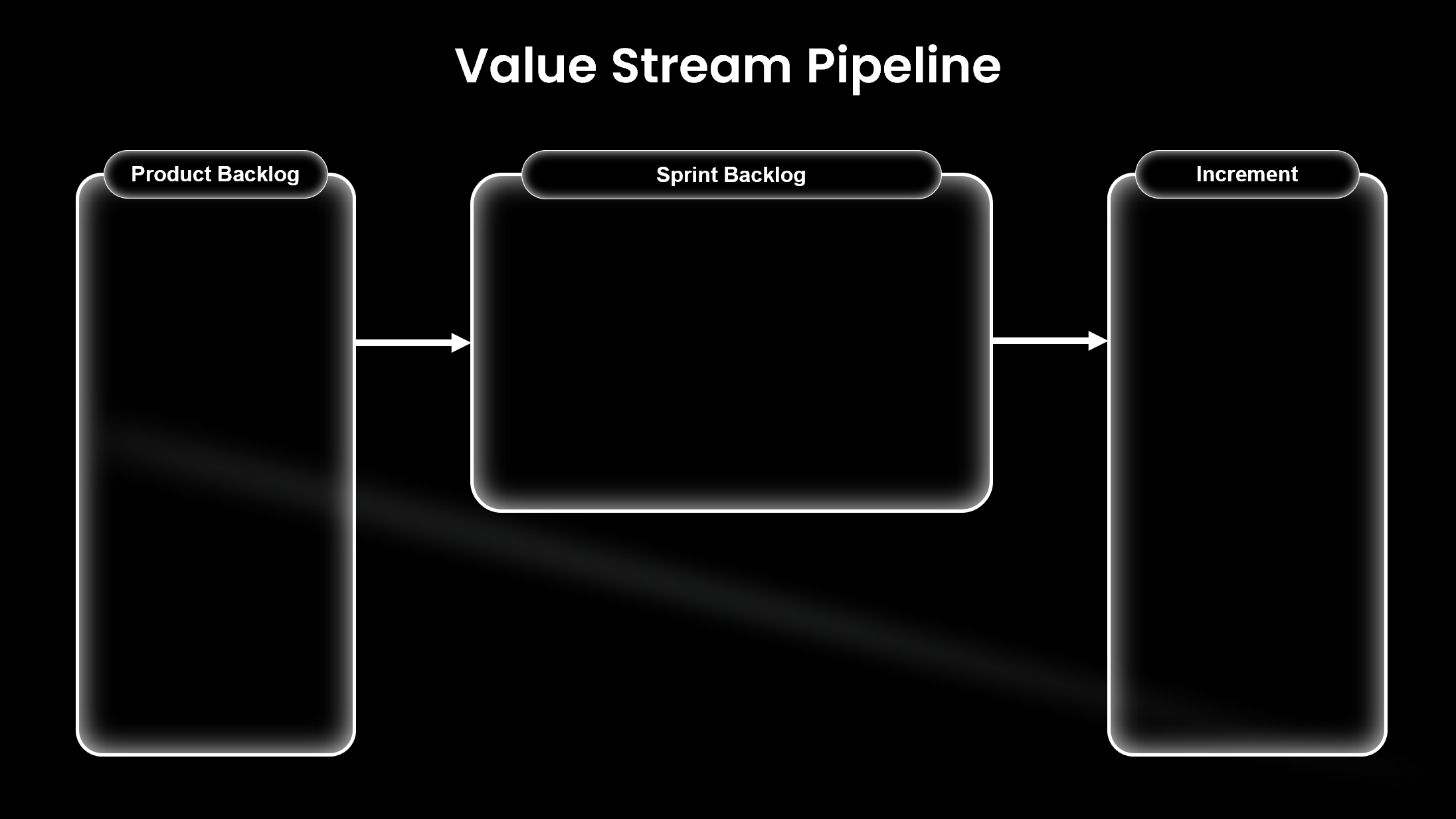
A Product Backlog Item enters the pipeline by being added to the Product Backlog. Then, when it is selected in a specific Sprint, it moves to the second artifact, the Sprint Backlog. Finally, after implementation and meeting the Definition of Done, it moves to the Increment as the last artifact.
Let’s get started with the first artifact, Product Backlog.
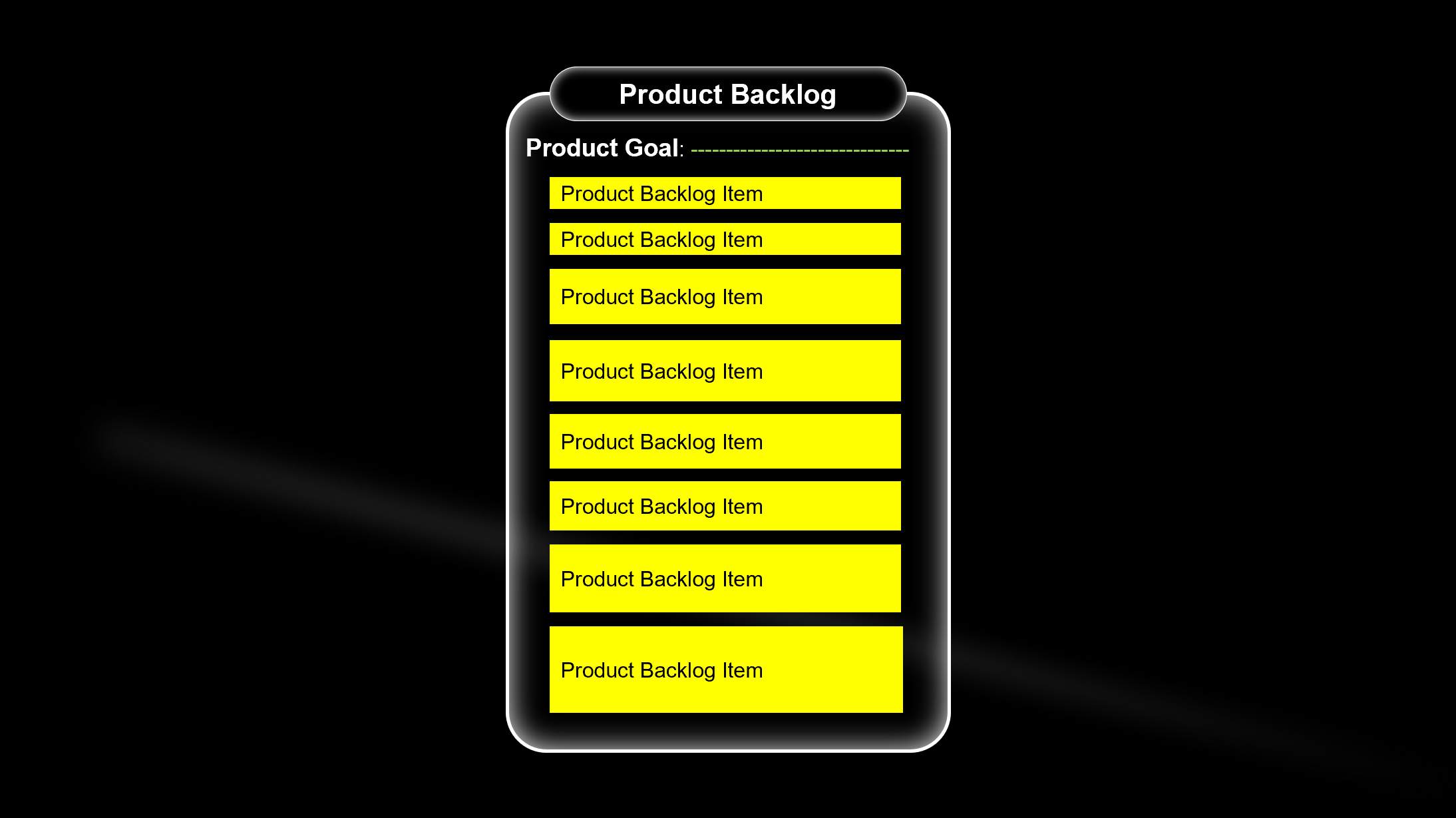
The Product Backlog is an emergent, ordered list of what is needed to improve the product. It includes two elements: Product Goal and Product Backlog Items.
When you want to create your Product Backlog, first you need to define the Product Goal and then add the required Product Backlog Items to fulfill it. So, it is a mistake if you first add your Product Backlog Items and then try to find a shared Product Goal out of them.
The second artifact is the Sprint Backlog, which has three elements: the Sprint Goal, selected Product Backlog Items, and a plan to implement them, usually called tasks.
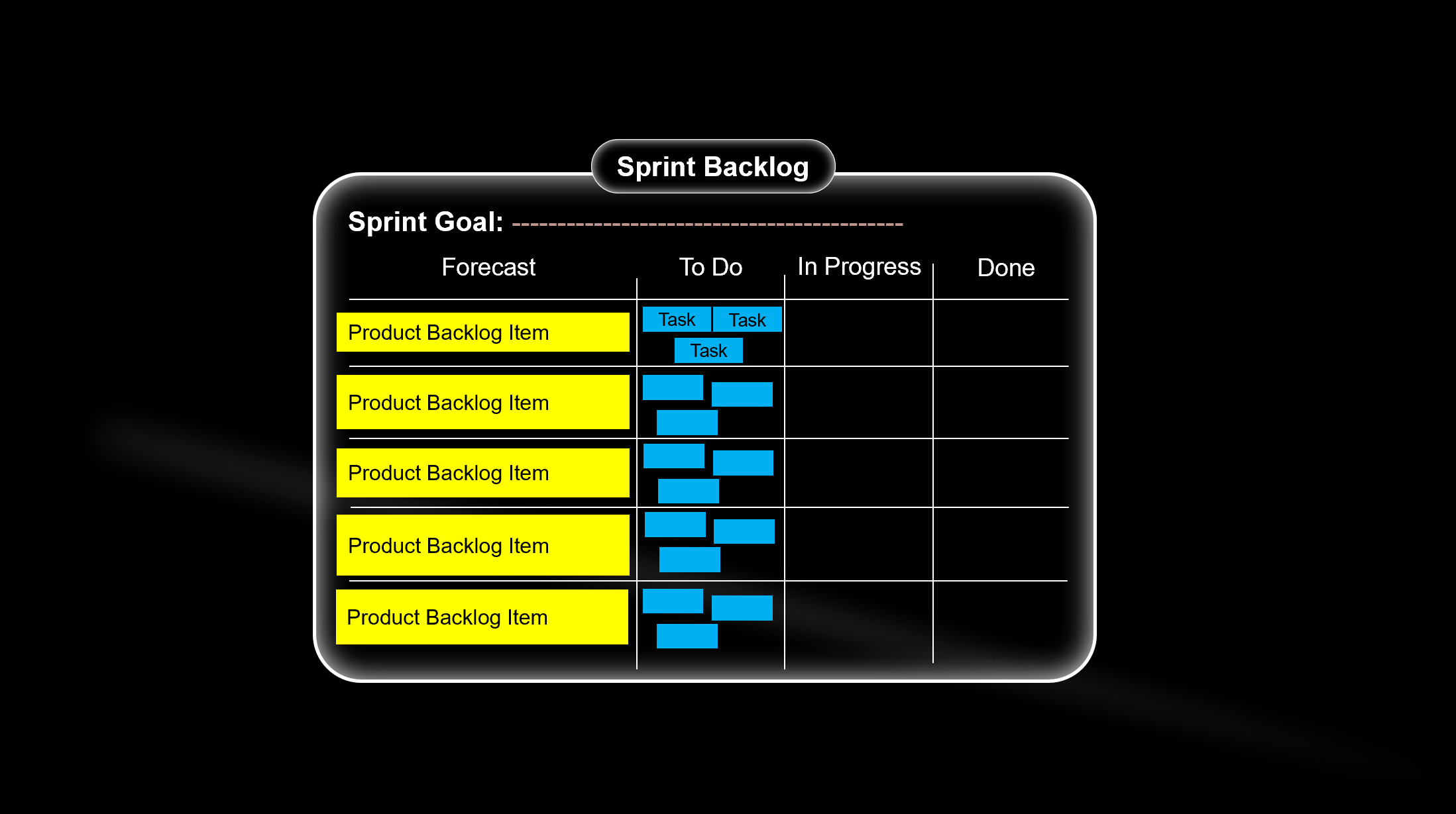
A big mistake here is not having a Sprint Goal. Then you don’t have a genuine Sprint Backlog.
And the third artifact is Increment, which is an accumulated list of all Done Product Backlog Items up to now.
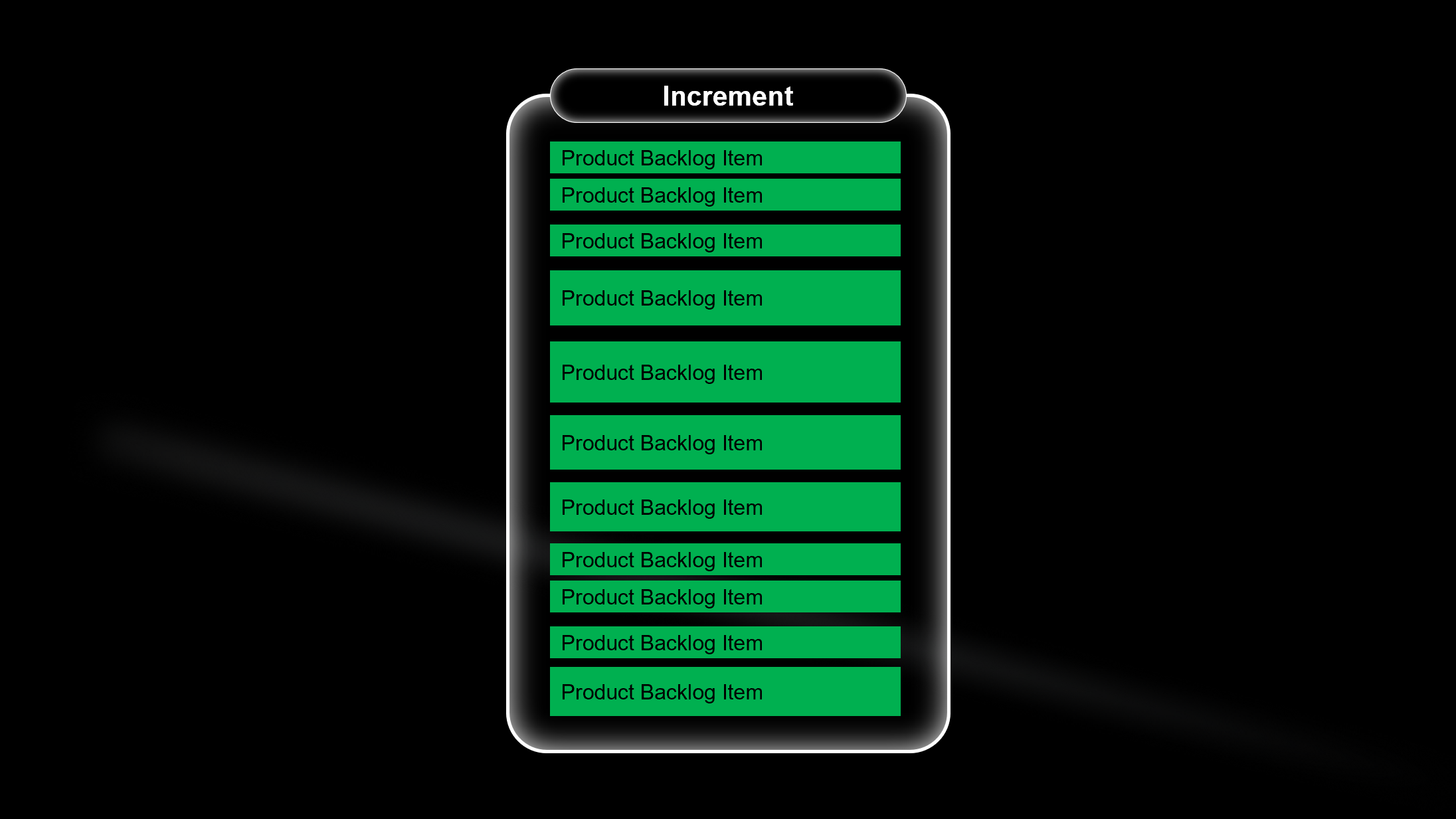
The items in the Increment artifact can be in either Done or Released status.
So, a big question. Are you using Scrum Artifacts correctly or not? This is the moment to think.
-----------------------------------------------------
If you want to start your Scrum journey powerfully and learn Scrum through a high-quality training with a super bonus (a bonus that you cannot find anywhere else), attend my upcoming Professional Scrum Master (PSM) class. Click here to get more information about the class.